Smart Fleet Systems Reduce Costs
The Shift Toward Intelligent Fleet Operations
Managing fleets today is no longer just about keeping vehicles on the road. It is becoming a balancing act between rising operational demands, customer expectations, fuel uncertainty, and performance accountability. This is where smarter systems begin to create separation between companies that simply operate and companies that continuously improve. In that transition, one of the strongest priorities becomes fleet cost optimization, because reducing expenses is no longer achieved through cutting budgets alone but by creating a system that removes inefficiency before it becomes cost.
Why companies adopt smart fleet systems
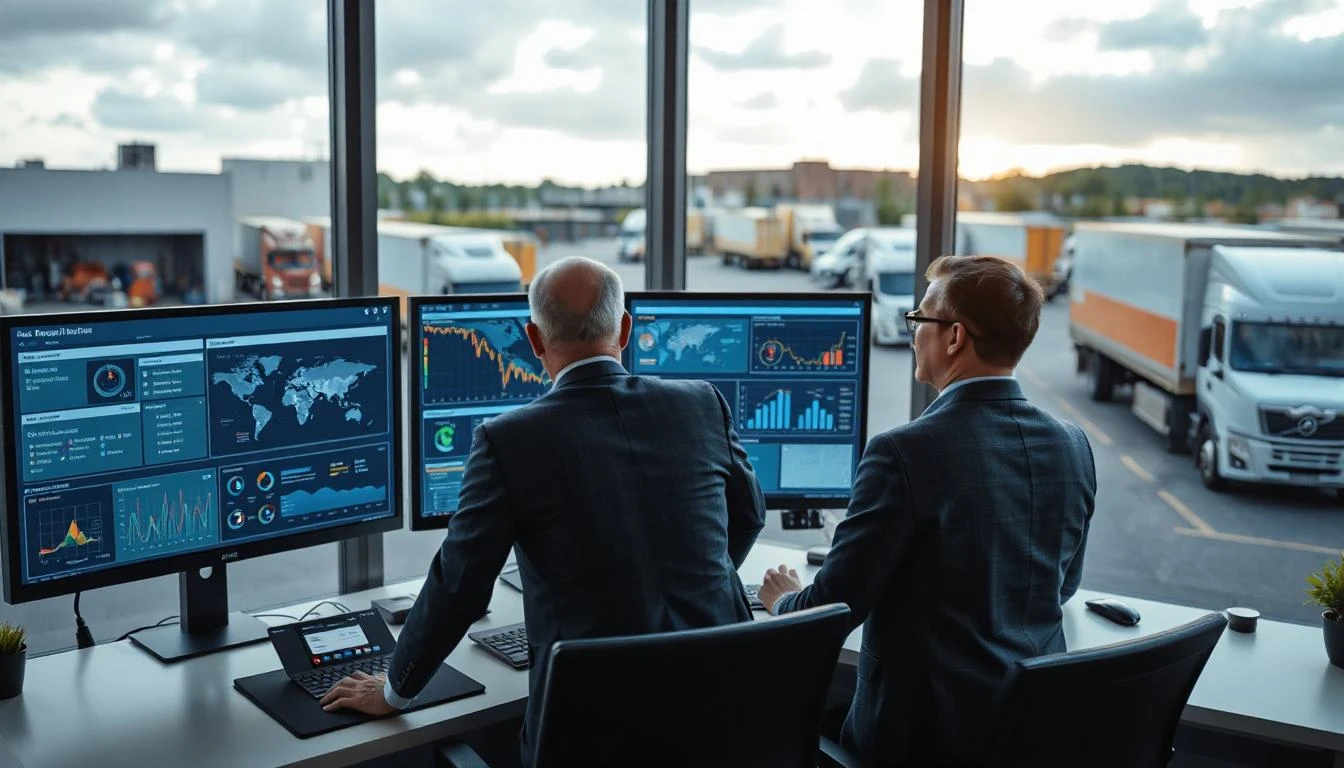
Companies adopt smart fleet systems because visibility has become more valuable than speed alone. Traditional management methods often leave decision makers reacting after issues occur. Smart platforms centralize information from vehicle movement, maintenance schedules, fuel usage, dispatch activities, and performance monitoring into one ecosystem. As management expert Peter Drucker once stated, “What gets measured gets managed.” Fleet technology turns daily operations into measurable actions that support better business outcomes.
Key operational challenges today
Fleet operators face a very different environment than they did several years ago. Fuel volatility, unpredictable maintenance needs, changing delivery expectations, and labor shortages create operational pressure across every layer of transportation. The challenge is not simply handling more complexity. The challenge is identifying hidden inefficiencies before they multiply.
Data driven decision making
Data has become one of the most underused business assets in fleet management. Modern platforms transform ordinary activities into meaningful intelligence. Vehicle usage patterns, route behavior, service intervals, idle duration, and operational trends can all be translated into actions that improve financial performance.
Technology That Lowers Fleet Expenses
Once visibility improves, the next question becomes obvious, where do savings actually happen? The answer is rarely found in a single breakthrough tool. Instead, it comes from several technologies working together to reduce unnecessary spending while increasing operational control.
Real time vehicle tracking
Real time vehicle tracking gives businesses immediate awareness of what happens across their fleet network. Managers can identify delays, route changes, idle vehicles, and schedule disruptions before they affect service quality. This creates measurable benefits such as lower fuel usage, reduced overtime, stronger asset utilization, and faster response times.
Automated fuel management
Fuel expenses remain one of the largest recurring operational costs. Automated fuel management systems monitor consumption behavior and identify irregular patterns that manual tracking often misses. By combining fuel cards, analytics dashboards, and automated reporting, companies can reduce waste while improving accountability.
Predictive maintenance planning
Unexpected breakdowns are expensive not only because of repair costs but because of downtime. Predictive maintenance planning uses connected sensors and historical operational data to anticipate vehicle issues before failures occur. Instead of maintaining vehicles only by fixed schedules, businesses can align servicing with actual conditions.
Improving Efficiency Across Fleet Networks
Reducing costs creates value, but improving efficiency sustains it. The most successful fleet strategies focus on creating connected systems where every route, vehicle, and decision contributes to stronger performance across the entire network.
Route optimization strategies
Route optimization is no longer limited to selecting the shortest distance. Modern systems evaluate traffic conditions, vehicle capacity, delivery timing, weather influence, and historical movement data. This allows companies to reduce unnecessary mileage and increase operational consistency without sacrificing service quality.
Driver performance monitoring
Technology does not replace drivers. It helps drivers perform better. Performance monitoring allows businesses to understand acceleration behavior, braking habits, idle duration, and driving consistency. When implemented correctly, these insights become tools for coaching and improvement rather than surveillance.
Resource allocation improvements
Operational efficiency depends on using the right resources at the right time. Smart fleet systems support better vehicle assignments, dynamic scheduling, and workload balancing based on actual operational conditions. This creates more flexible operations and reduces unnecessary pressure across teams and assets. As supply chain strategist Michael Porter emphasized, “competitive advantage increasingly comes from performing activities differently rather than simply performing them better.”
Long Term Benefits of Fleet Innovation
Every company starts with the goal of saving money. But the organizations that lead the market eventually realize something more important. Technology investments become meaningful when they create decisions that remain valuable year after year. Fleet innovation builds stronger operational resilience, more predictable costs, better customer experiences, and faster adaptation to change.
Over time, businesses stop chasing efficiency because efficiency becomes embedded into how they operate. And perhaps that raises the question worth thinking about, if tomorrow's leaders are already building smarter systems today, how long does it make sense to keep relying on yesterday's methods? The future of transportation will not belong to companies with the largest fleets. It will belong to companies that know their operations better than anyone else.