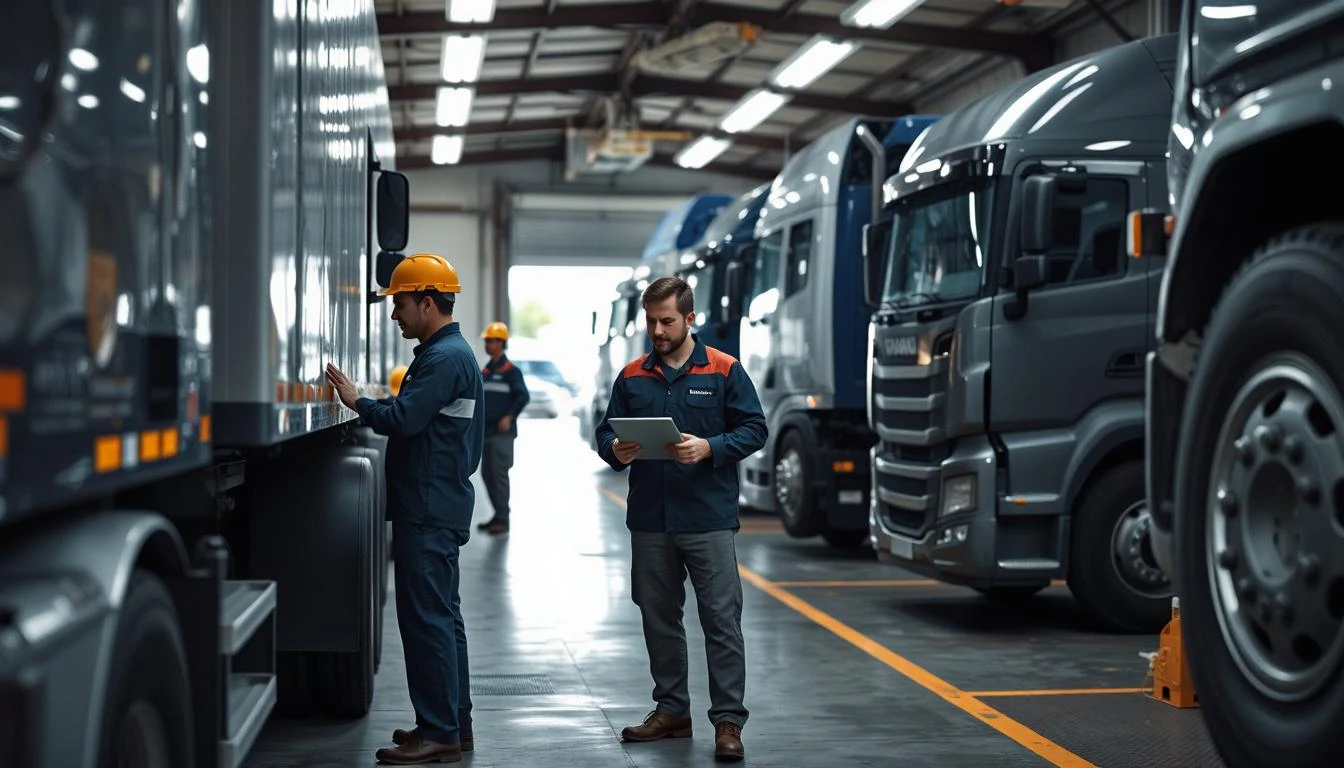
Transport Industry Faces New Pressure
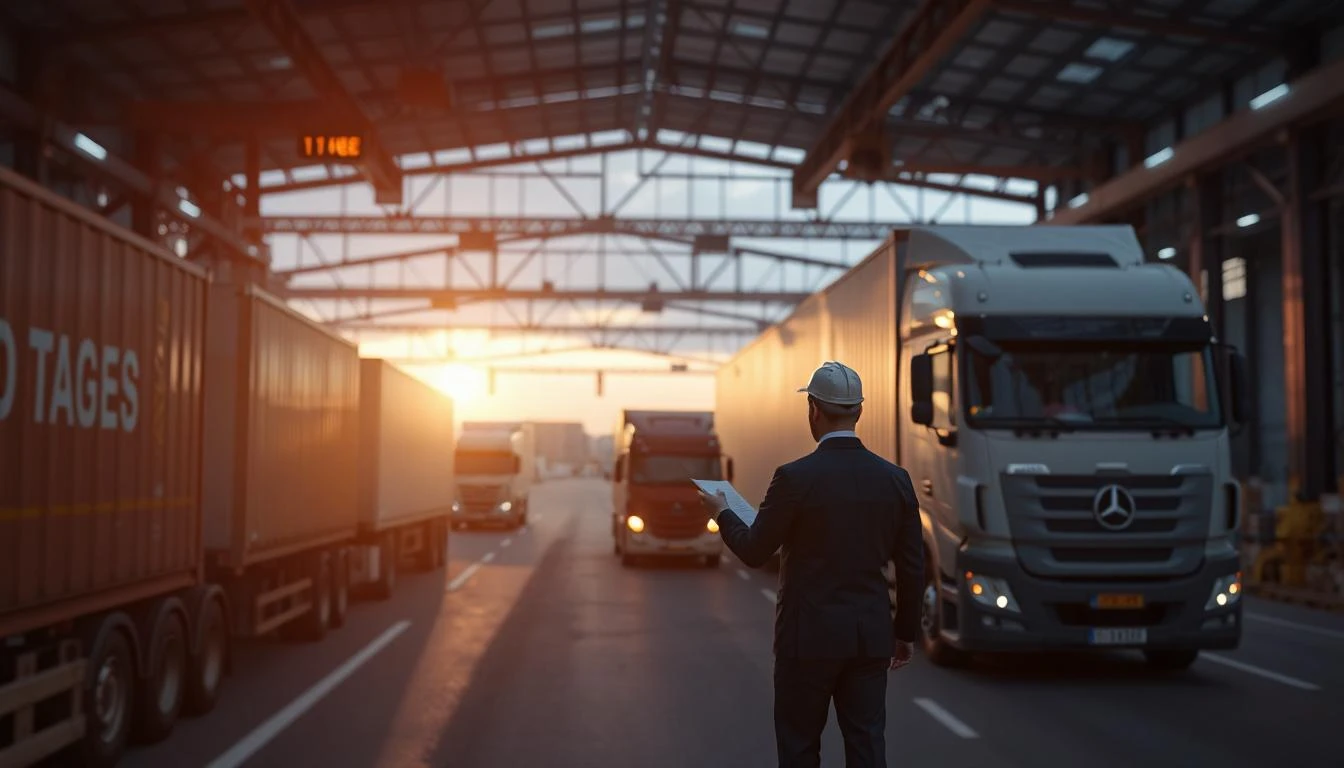
Understanding Challenges in Modern Transport
Transport businesses are entering a phase where expectations continue to rise while margins become increasingly difficult to maintain. At the same time, operational complexity grows faster than traditional business models can handle. Alongside this shift, industry observers continue tracking emerging transport efficiency trends as a way to understand how leading companies maintain competitiveness without sacrificing service quality.
Rising operational expectations
Customers expect faster delivery, real-time tracking, lower costs, and seamless service experiences. Businesses expect transport providers to accomplish all of this while remaining profitable. This pressure changes how companies operate internally. Fleet optimization, predictive maintenance, automated dispatching, and intelligent route planning are becoming standard approaches rather than future investments.
Market uncertainty and adaptation
Market uncertainty has become one of the defining realities for transportation. Organizations that once relied on historical performance are now redesigning planning models around flexibility. According to Michael Porter, “competitive advantage increasingly comes from how organizations adapt to changing environments rather than simply optimizing existing systems.” That idea feels especially relevant inside transport, where market movement can shift faster than operational infrastructure.
Growing customer demands
Customer behavior continues to reshape transport expectations. Consumers increasingly expect instant updates, flexible delivery choices, transparent communication, and reliable timing. A delayed shipment is no longer viewed as a minor inconvenience but often interpreted as poor service quality.
Factors Increasing Industry Pressure
Pressure inside transportation rarely comes from a single source. Instead, it builds gradually across operations, workforce management, regulations, and supply chain ecosystems until companies are forced to redesign how they work.
Supply chain disruptions
Global transport networks remain vulnerable to disruptions originating far beyond transportation itself. Manufacturing bottlenecks, regional instability, infrastructure limitations, and unexpected events continue affecting delivery schedules and operational efficiency. Businesses increasingly prioritize supply chain resilience through diversified sourcing, stronger forecasting systems, and broader distribution flexibility.
Workforce and labor concerns
Technology receives enormous attention, but people remain the driving force behind transport operations. Labor shortages, recruitment competition, changing workforce expectations, and increasing training requirements continue creating structural pressure. This challenge becomes particularly visible in transport environments where service quality still depends heavily on operational coordination.
Environmental and regulatory shifts
Environmental responsibility has moved from branding language into operational reality. Transport companies face increasing pressure to reduce emissions while maintaining affordability and service quality. This transition influences vehicle selection, infrastructure planning, fuel decisions, and reporting standards. Economist and sustainability expert Jeremy Rifkin has argued that “the next industrial evolution will reward systems built around efficiency and sustainability rather than consumption alone.” Transport appears to be following that direction faster than many predicted.
Strategies Transport Companies Are Using
Facing pressure does not automatically mean losing ground. Across global markets, transport organizations are actively redesigning systems and building models that prioritize adaptability over fixed routines.
Digital transformation initiatives
Digital transformation has become one of the strongest responses to industry pressure. Transport companies increasingly implement connected fleet systems, predictive analytics, cloud-based management platforms, and AI-supported planning tools.
Cost control and efficiency plans
Reducing cost no longer means cutting resources. Leading companies improve efficiency through operational redesign, smarter scheduling, optimized asset utilization, and preventive maintenance strategies. Transport operators are discovering that sustainable cost control often comes from better decisions instead of simply lower spending.
Flexible service models
Rigid operating models struggle under modern transport conditions. Companies increasingly introduce flexible delivery structures, scalable capacity planning, customized service agreements, and adaptive operational frameworks. This flexibility allows businesses to respond to demand fluctuations more effectively while maintaining stability during periods of rapid change.
Future Outlook for Global Transport
The future of transportation will likely belong to organizations that combine operational discipline with technological readiness and the courage to rethink familiar systems. As automation expands and customer expectations continue evolving, transport companies may become less defined by physical assets and more by their ability to interpret data, make decisions quickly, and maintain trust under pressure.
What becomes interesting is this, the next industry leaders may not necessarily be the largest fleets or oldest operators, but the businesses capable of staying calm while conditions keep changing. And if transport shapes how economies move, then the decisions being made today will quietly determine how entire industries operate tomorrow. You are already seeing the early signals. The question is not whether transport will change. The real question is who will adapt before the pressure becomes impossible to ignore.