Best New Truck Features Drivers Want
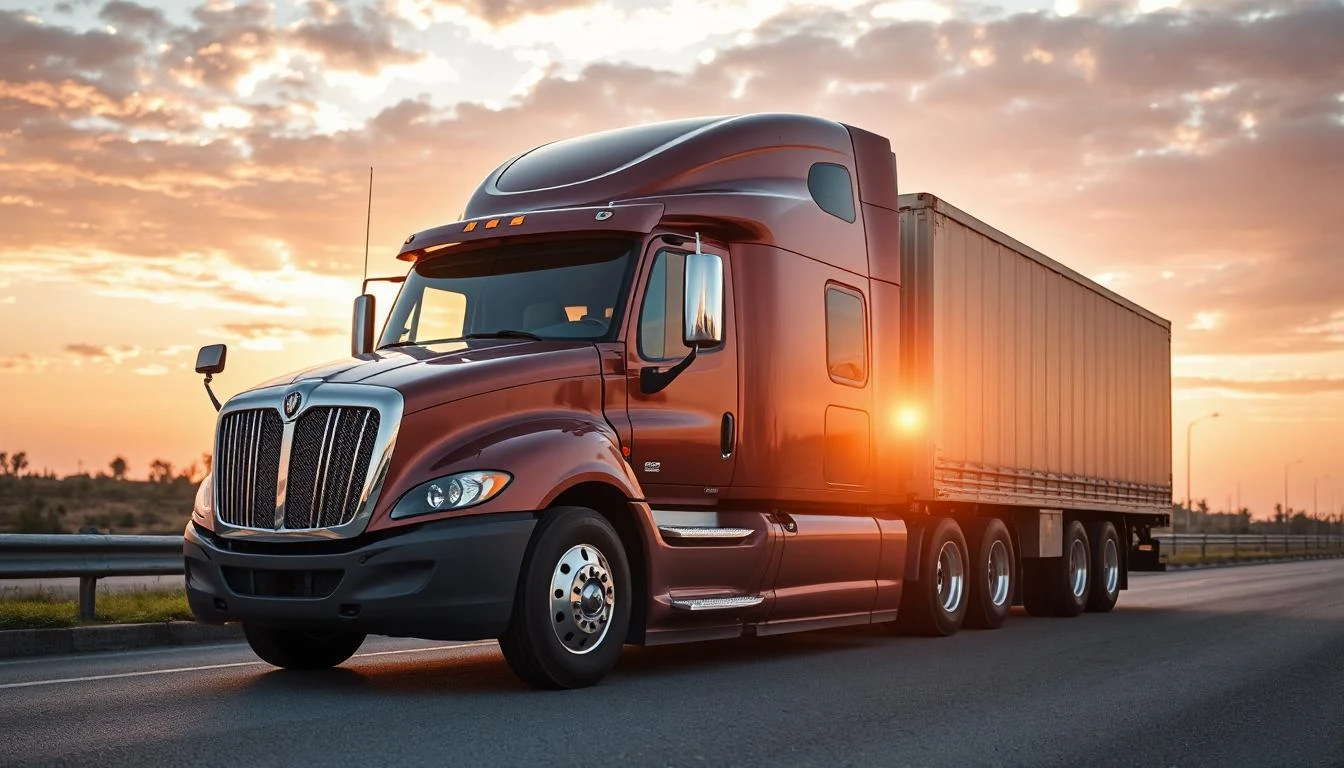
People often imagine truck innovation as something visible at first glance, bigger engines, bolder designs, or more aggressive styling. But if you pay attention to what drivers are actually discussing today, the conversation has shifted. The most desirable trucks are no longer defined only by strength. They are judged by how intelligently they respond to everyday challenges, how comfortably they handle long distances, and how naturally they reduce effort behind the wheel.
That change explains why advanced truck technology is becoming the center of modern truck expectations. Drivers today want more than transportation. They want vehicles that anticipate conditions, support decisions, minimize fatigue, and create measurable efficiency over time. The most interesting part is that many of these changes happen quietly, yet once experienced, they quickly become impossible to ignore.
Evolution of Modern Truck Expectations
Truck expectations are evolving faster than many people realize. Drivers are not abandoning performance, but they are redefining what performance actually means. Reliability, comfort, safety, and operational intelligence are becoming equally important factors when choosing the next vehicle. As manufacturers respond to these demands, many of the newest developments are being designed around truck performance upgrades that improve real driving experiences rather than simply increasing specifications on paper.
Changing priorities among truck drivers
The modern driver is making decisions differently than a decade ago. Will the cabin reduce fatigue? Can the system warn before problems happen? Does the technology save time? Transportation researcher and mobility expert Dr. Steven Polzin once emphasized that “future vehicle value will increasingly depend on how effectively technology improves human decision-making rather than simply enhancing machine capability.” That perspective is becoming visible across modern truck design.
Performance and comfort balance
Performance still matters. Nobody wants a truck that feels underpowered or disconnected from demanding workloads. But comfort is no longer considered a luxury. Drivers expect cabins designed to reduce physical stress through better seating geometry, improved insulation, smoother suspension response, and adaptive climate control.
Technology shaping daily operations
Technology is no longer an additional feature. It is becoming part of the driving process. Modern trucks increasingly integrate digital tools that support route planning, maintenance tracking, fuel management, and driving analytics. Instead of reacting to issues after they appear, operators can now identify patterns before small inefficiencies become expensive problems.
Smart Features Transforming Truck Experience
Truck technology becomes truly meaningful when drivers can feel the difference during everyday use. This is where innovation stops being marketing language and starts becoming practical value. The best features are often the ones drivers notice only after they can no longer imagine driving without them.
Advanced driver assistance systems
One of the strongest demands in current truck development is assistance that feels useful rather than intrusive. Advanced driver assistance systems now combine radar sensors, cameras, and processing software to help drivers maintain awareness in demanding situations.
Digital dashboard integration
Dashboard expectations have changed dramatically. They prefer centralized displays that provide navigation, diagnostics, fuel insights, operational alerts, and communication tools in one accessible interface. Automotive technology analyst Karl Brauer has noted that “successful vehicle technology should disappear into the experience rather than force drivers to adapt to it.” That principle explains why seamless dashboard integration is becoming increasingly valuable.
Connected vehicle monitoring
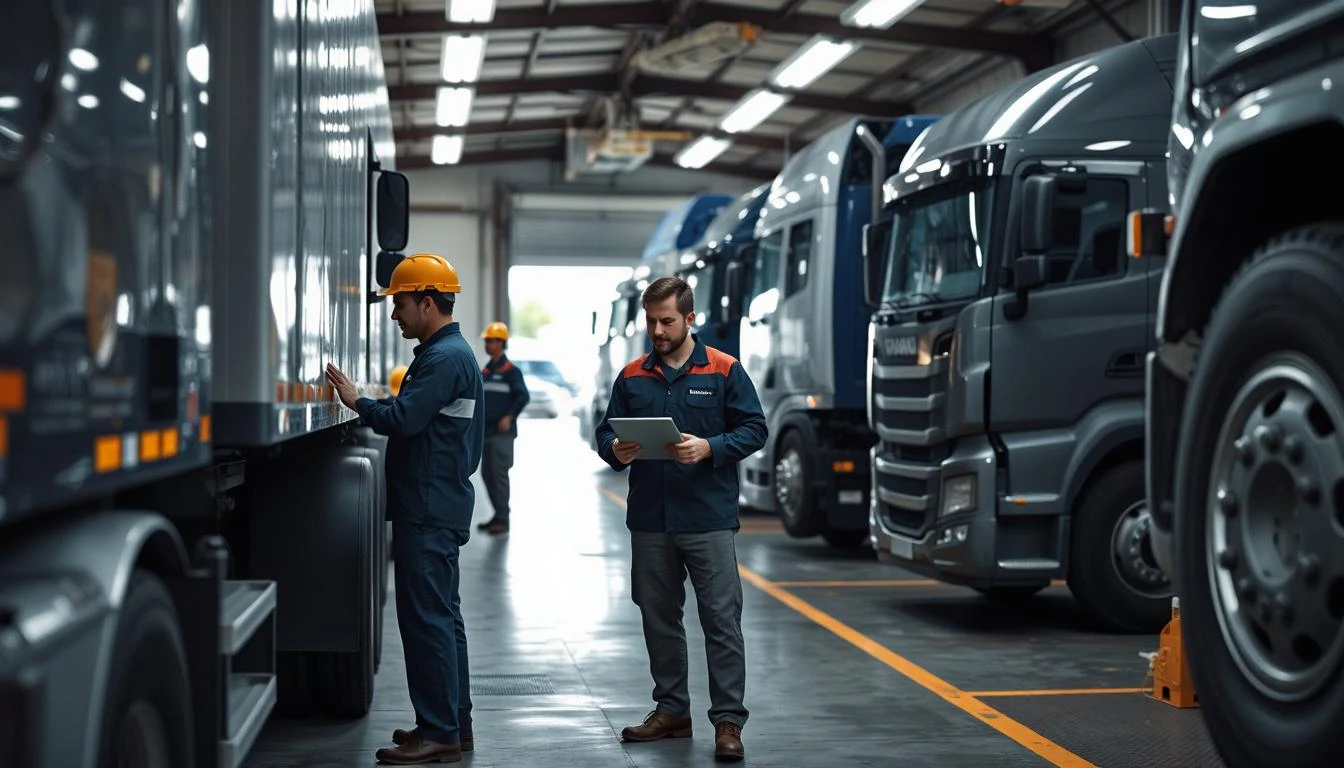
Connectivity is transforming trucks into active operational platforms. Modern connected systems allow drivers and operators to monitor vehicle health remotely, receive maintenance reminders, optimize routing decisions, and evaluate performance trends over time.
Efficiency and Safety Improvements
No matter how sophisticated a truck becomes, drivers still expect two things to improve consistently, efficiency and safety. The most respected innovations are often the ones drivers notice less because they quietly make everything easier.
Fuel saving innovations
Fuel efficiency is no longer achieved through engine adjustments alone. Manufacturers are now combining intelligent transmission mapping, aerodynamic refinement, idle reduction systems, lighter construction materials, and software-driven optimization.
Enhanced visibility and control
Better visibility changes driver confidence immediately. Modern trucks now implement expanded camera systems, adaptive lighting, digital mirrors, and sensor-assisted maneuvering to reduce blind zones and improve environmental awareness.
Long distance driving support
Long-distance driving introduces a unique challenge that power alone cannot solve. Modern support systems increasingly focus on maintaining alertness and reducing fatigue through adaptive cruise behavior, route intelligence, cabin comfort optimization, and fatigue monitoring.
Future Ready Truck Technology Trends
The next generation of trucks will not simply become stronger. They will become more adaptive. Manufacturers are already moving toward systems that evolve through software updates, connected ecosystems, intelligent diagnostics, and increasingly personalized driver experiences. This direction suggests that future truck ownership may feel less like maintaining a machine and more like managing a continuously improving platform.
And perhaps that raises the question many drivers are already asking today, if technology can reduce friction, improve awareness, and support better decisions, why settle for vehicles designed around yesterday’s expectations? The trucks attracting attention now are not necessarily the loudest or most powerful. They are the ones that quietly remove obstacles and help drivers perform at their best. If your next truck choice is approaching, it may be worth looking beyond specifications and paying closer attention to the features that change everyday driving in ways you only notice after you no longer want to drive without them.